
White plants have something no other colour manages: they bring light without making noise. A creamy marbling, pearly spots or a clean white flower are enough to make a dull corner of your home breathe and make the green around it look more intense. With white we continue our botanical guide by colour, after yellow, purple, red, pink and orange.
White plants brighten and create contrast in any corner
White works like a natural reflector. It bounces back what little light reaches a hallway or a corner of the living room and makes the plant stand out even in low light. White plants also go with everything: light woods, terracotta pots, dark backgrounds where the contrast becomes almost graphic.
Almost all the white plants in this selection owe it to their variegated foliage, meaning leaves with areas that have no green pigment. There is one exception, the peace lily, which gets it from its flower. If you missed the previous instalment, here are our yellow plants for home and garden.
Our favourite white plants, one by one
These are the ones we have chosen for the guide. They are all white indoor plants, and each one brings the colour in its own way.
Scindapsus pictus
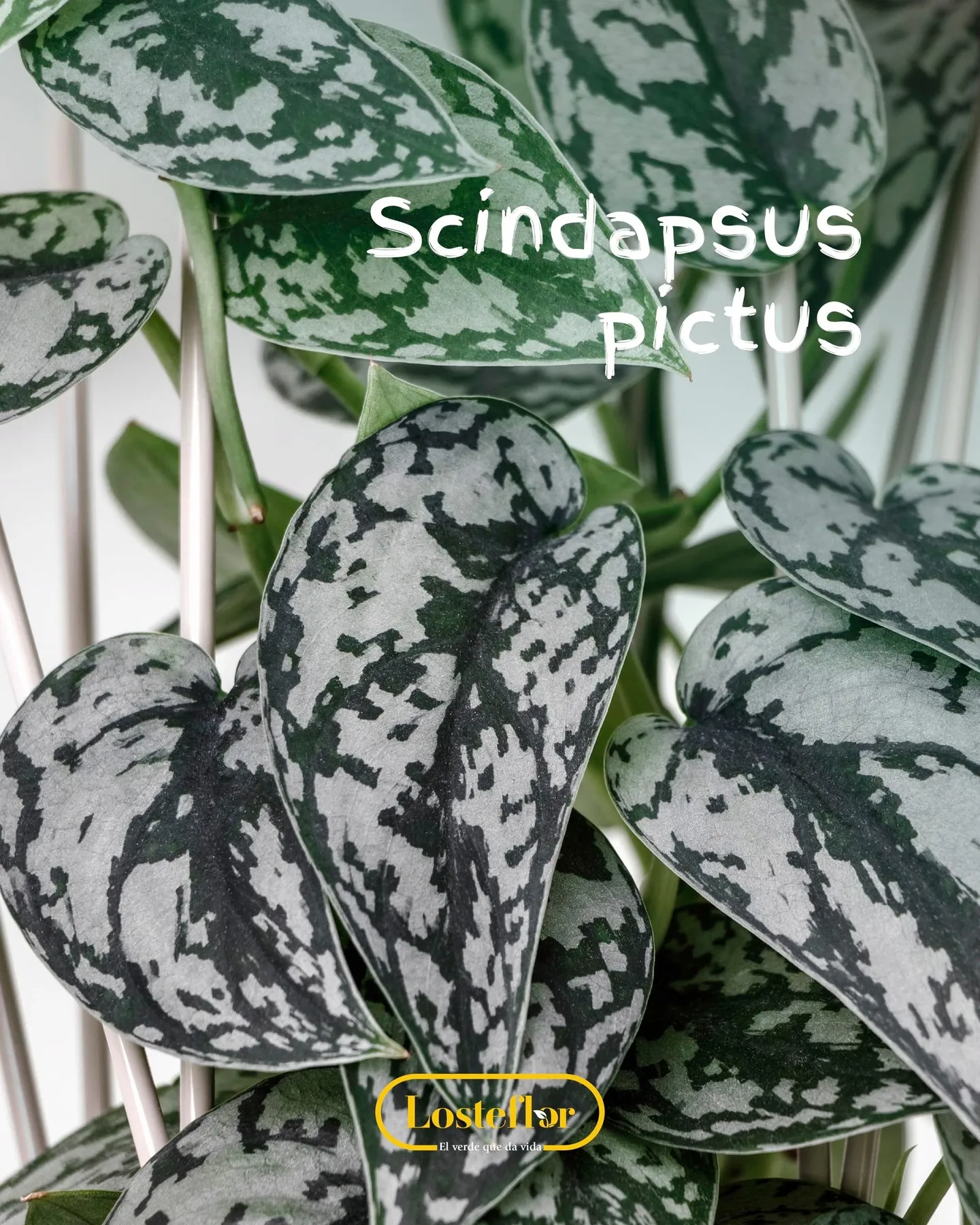
We start with the most subtle: in the scindapsus pictus, white turns to silver. Its heart-shaped, fairly thick leaves are sprinkled with silvery spots that shine in the light. It can trail or climb a moss pole. It wants indirect light and moderate watering; when it is thirsty its leaves tend to curl, so it tells you itself.
Dieffenbachia
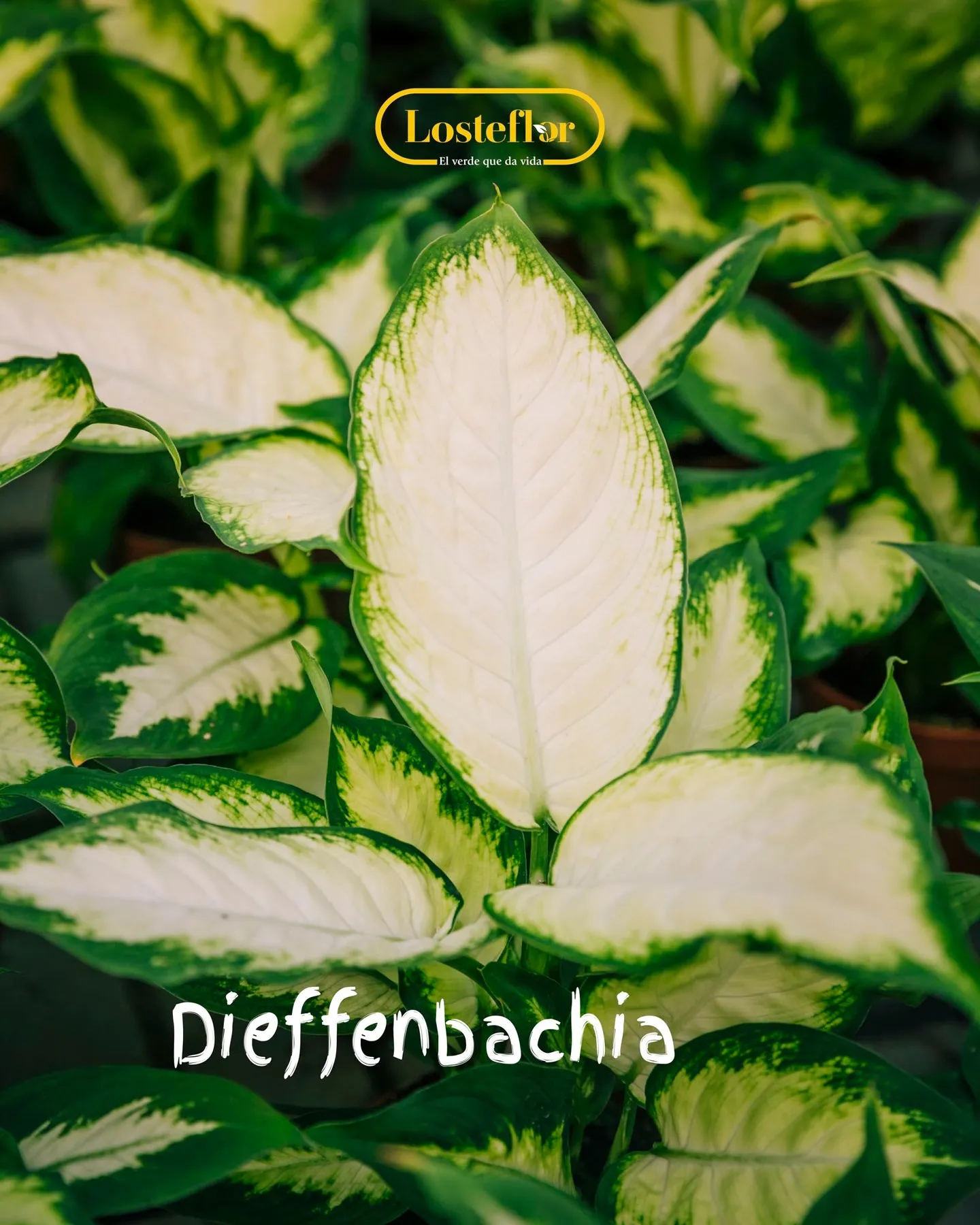
Dieffenbachia is pure volume: large leaves with a creamy white centre framed by a green edge. Of all the white plants in the guide, it is the one that adds the most volume. It does well in plenty of filtered light and a substrate that doesn’t get waterlogged. An important warning: its sap is irritating, so keep it out of reach of children and pets.
Syngonium podophyllum ‘White Butterfly’
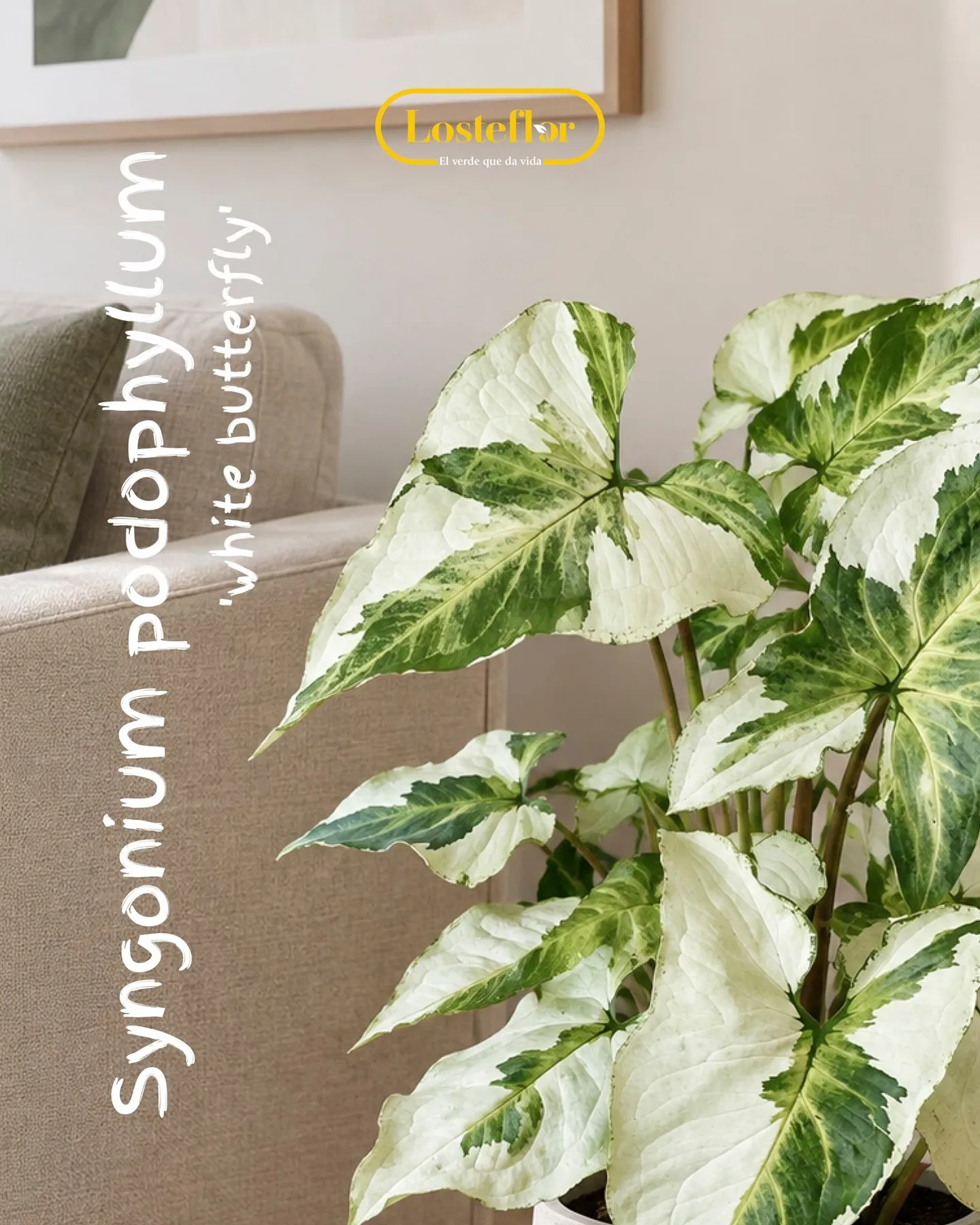
Its arrowhead-shaped leaves mix white and light green, with an airy look that fits any living room. Syngonium ‘White Butterfly’ grows easily and appreciates indirect light and a slightly moist substrate, never soaked. Over the years it tends to climb, so a moss pole suits it perfectly.
Spathiphyllum or peace lily
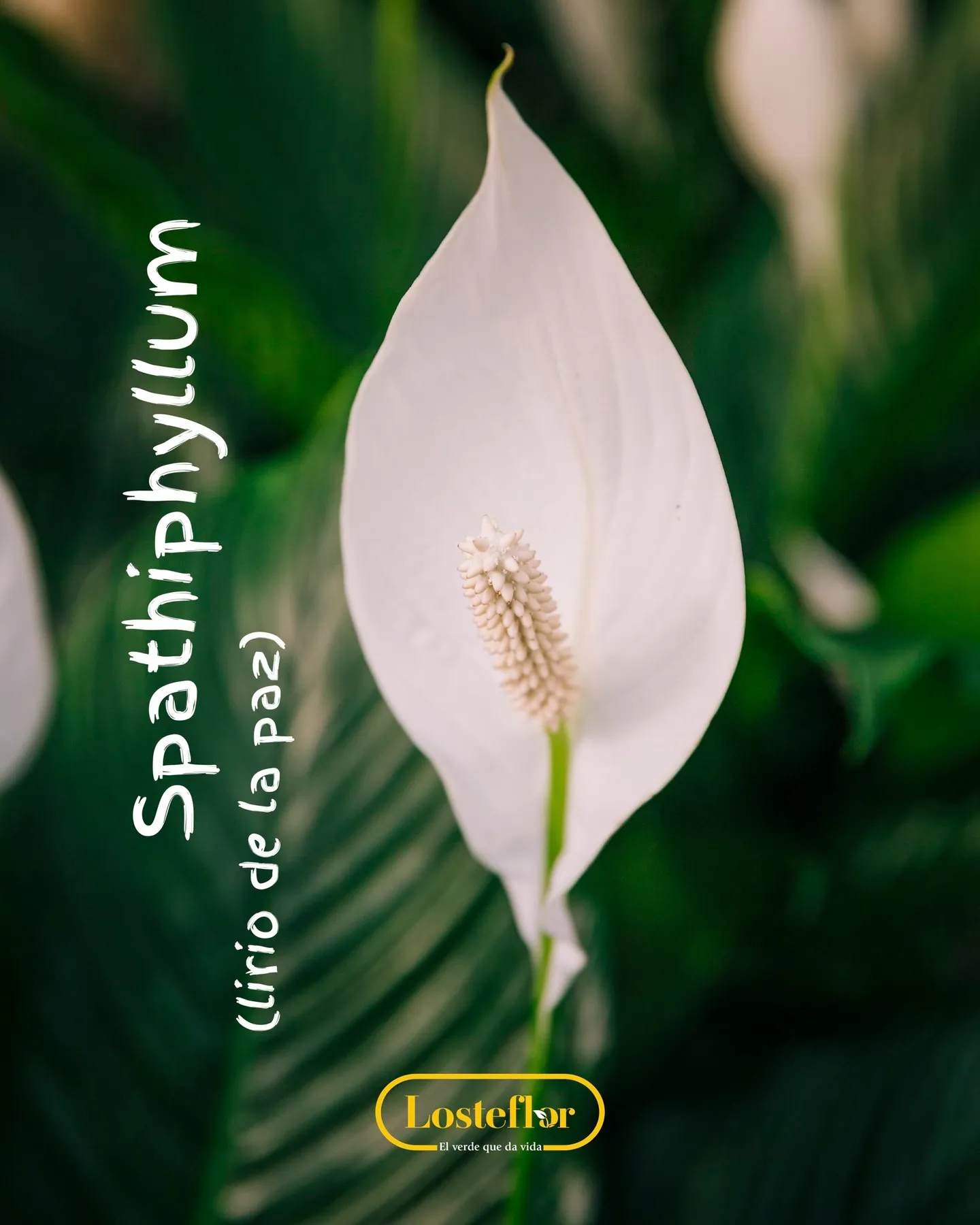
Here the white isn’t in the leaves but in the flower. What looks like a petal is actually a spathe wrapped around the central spike. The peace lily copes better than most with darker corners, although the more indirect light it gets, the more it flowers. When it lacks water it droops its leaves very visibly and recovers shortly after watering.
Begonia maculata
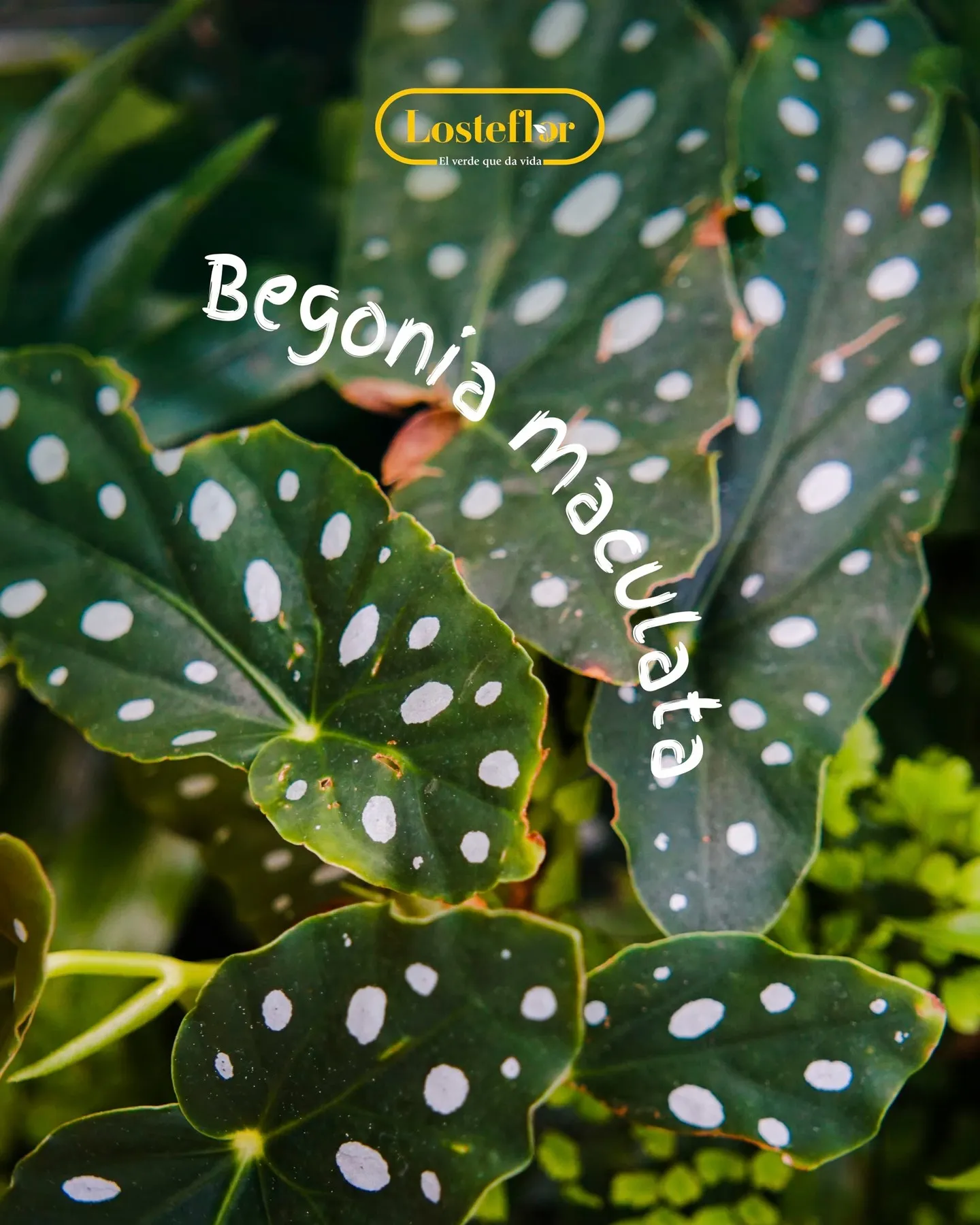
Dark green leaves covered in white polka dots: begonia maculata is one of those white plants nobody looks at just once. It prefers indirect light and watering without excess, always straight onto the substrate, because it doesn’t like wet leaves. With a support it gains height and looks even better.
Calathea ‘White Fusion’
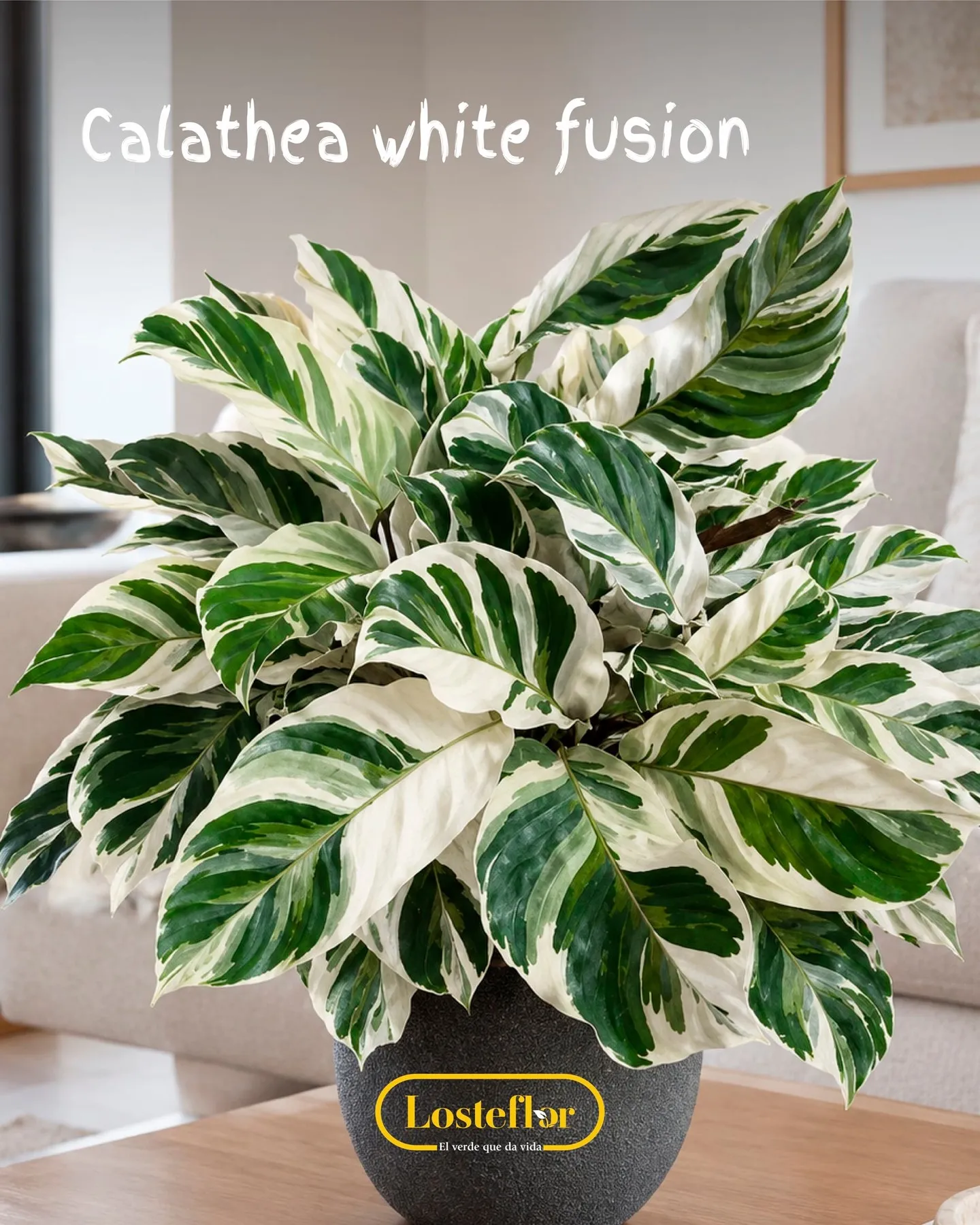
Every leaf of the calathea ‘White Fusion’ looks hand-painted, with white brushstrokes over different shades of green. It is the most delicate in the selection: it wants humidity, soft light, lime-free or rested water and no draughts. In return, few white plants have its presence.
Pothos marble queen
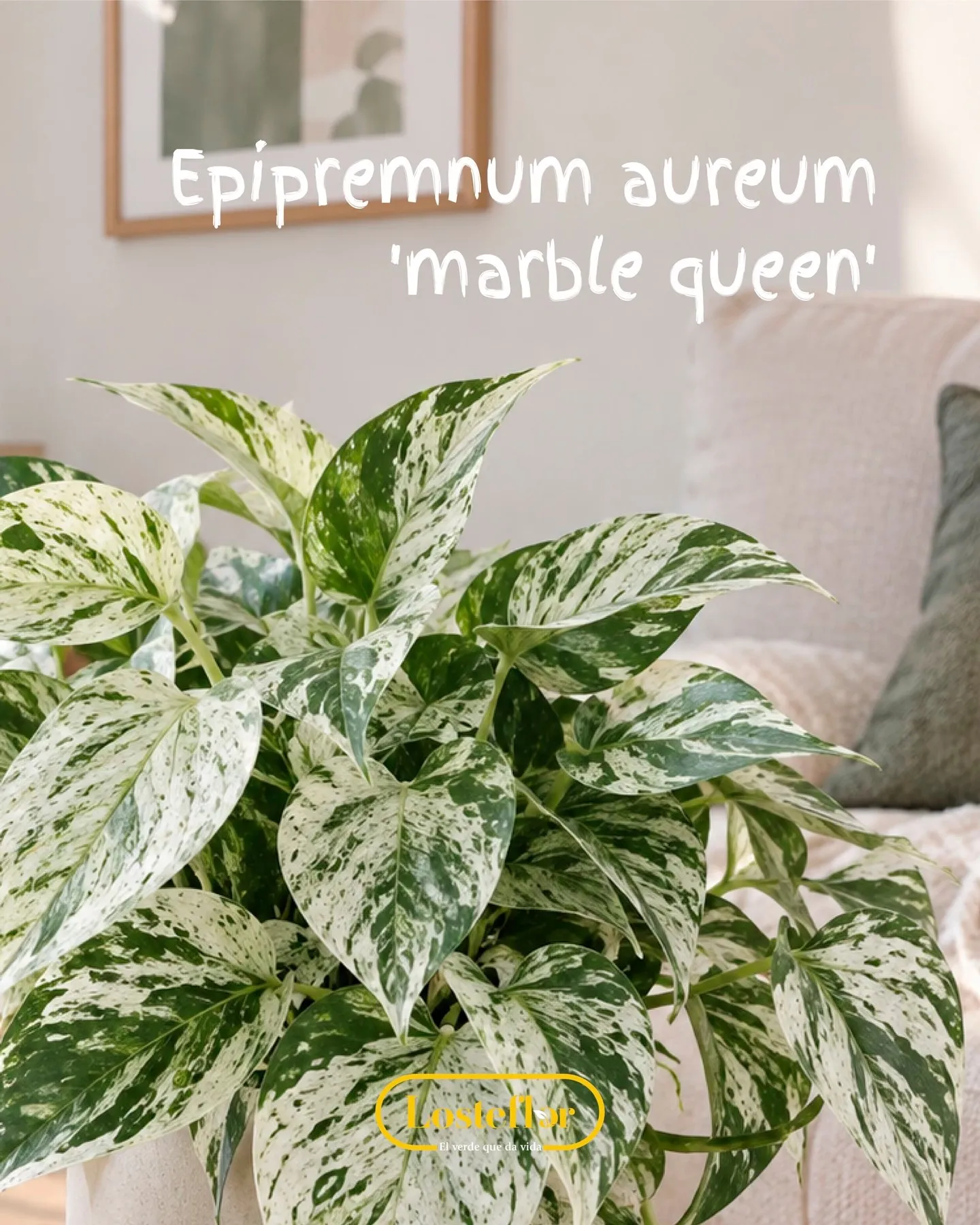
Pothos marble queen brings the artistic brushstrokes to the guide. Its white and green marbling is reminiscent of marble, and it keeps the best of the pothos: it is rewarding, trails or climbs and forgives the odd oversight. It does, however, need more light than green pothos to keep its white. You’ll find more tips in our guide to pothos care.
Ficus elastica ‘Tineke’
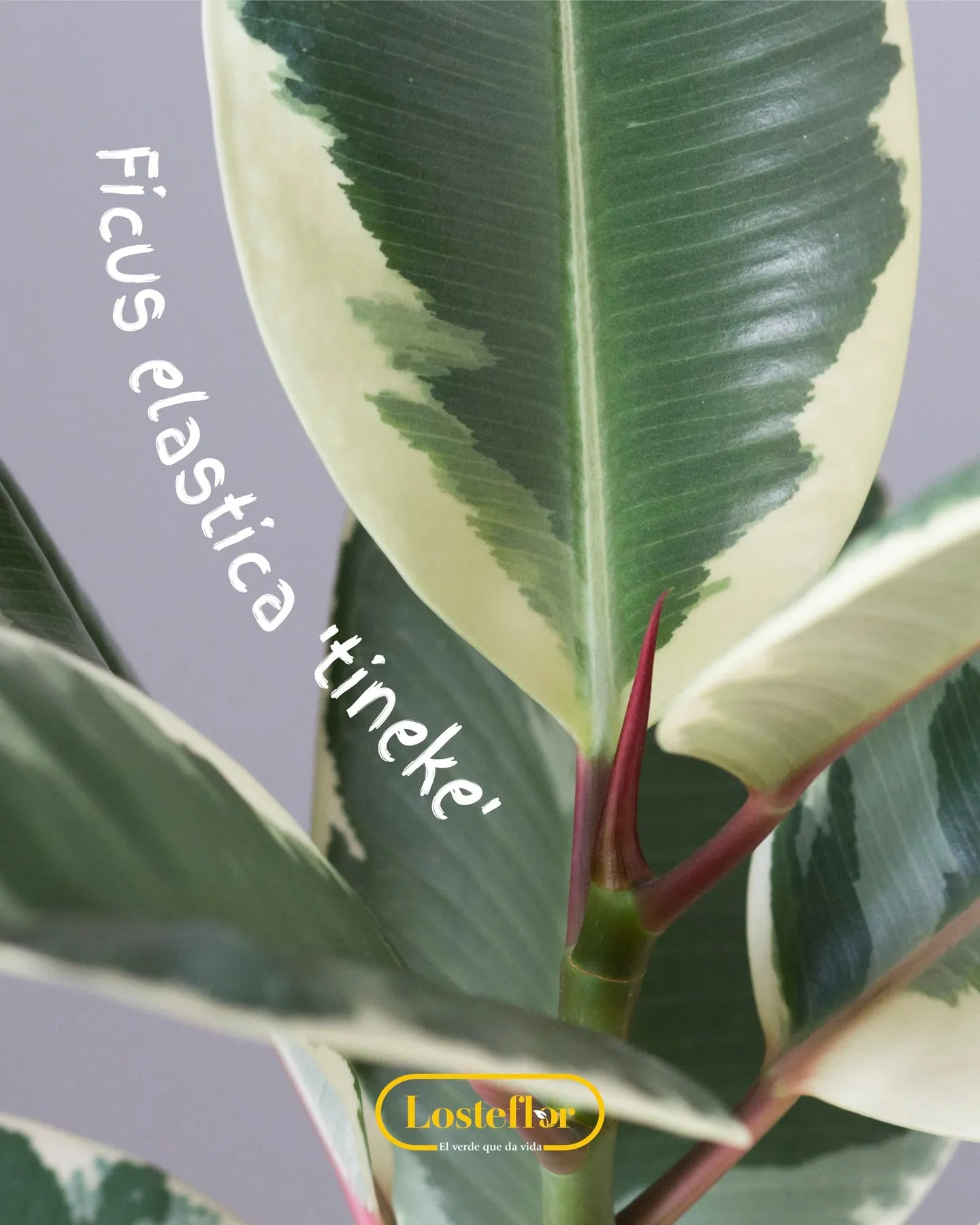
We close the white plants in the guide with the cream tones of the ficus tineke. Its large, glossy leaves combine green, grey-green and cream edges, and new shoots emerge wrapped in a pink sheath. It needs plenty of light, without direct sun, and watering once the top layer of the substrate has dried. Wipe its leaves with a damp cloth now and then to keep them shiny.
Light without direct sun: the key to caring for white plants
There is one rule almost all white plants share: the white areas of a leaf have no chlorophyll, so the plant has less surface for photosynthesis. That’s why they need more light than their green versions. Without it, the white fades and new leaves come out greener.
The other extreme is harmful too: those same white areas burn easily in direct sun. The ideal spot is near a bright window, with the light filtered through a thin curtain. Water without waterlogging and let the top of the substrate dry out a little between waterings.
Come and choose yours at the nursery
Photos help, but white plants need to be seen in person to appreciate their nuances. We look forward to seeing you at the nursery, on Camino de la Salvia s/n, in Chiclana. Tell us what light your corner gets and we’ll help you choose the one that will thrive there.
Frequently asked questions about white plants
Why is my variegated plant producing completely green leaves?
It’s usually a lack of light: the plant compensates by producing more chlorophyll. Move it to a brighter spot, without direct sun. If a whole stem has turned green, you can trim it so it doesn’t take over the rest.
Is it normal for some leaves to come out almost entirely white?
It can happen in the most variegated varieties. They are very pretty, but with hardly any chlorophyll they can’t feed themselves and often dry out before the others. It isn’t a sign of disease.
Are they safe if I have dogs or cats?
Not all of them. Dieffenbachia, pothos and peace lily can be irritating if chewed, while calathea is generally considered pet-friendly. If you have animals at home, ask us at the nursery before choosing.
Which is the easiest to start with?
Pothos marble queen and the peace lily are the most rewarding and clearly let you know when they’re missing something. Calathea is best left until you have a bit of practice.