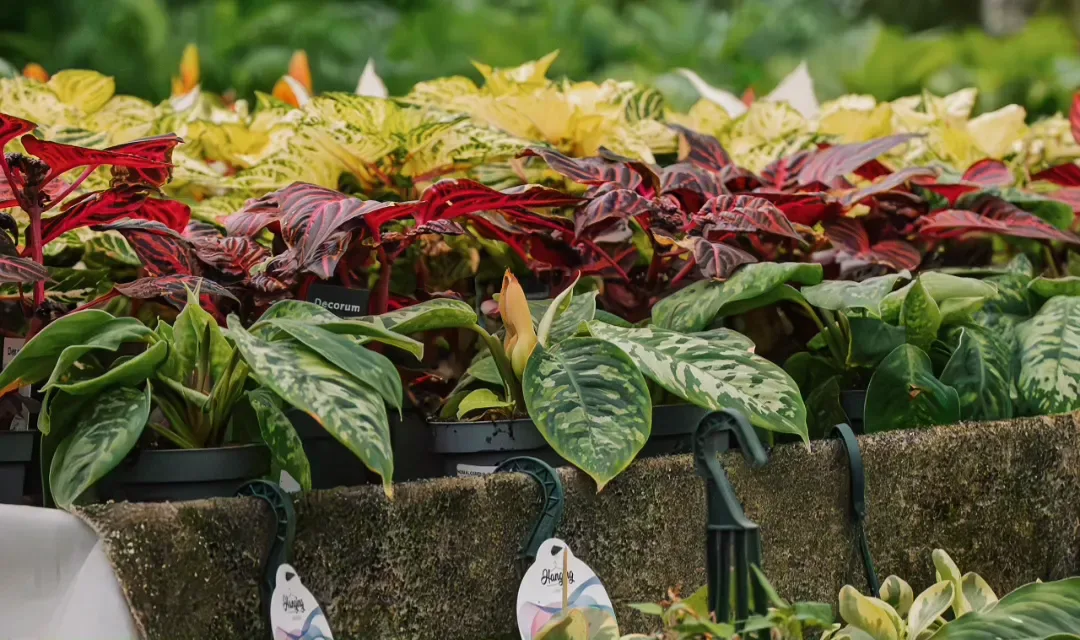

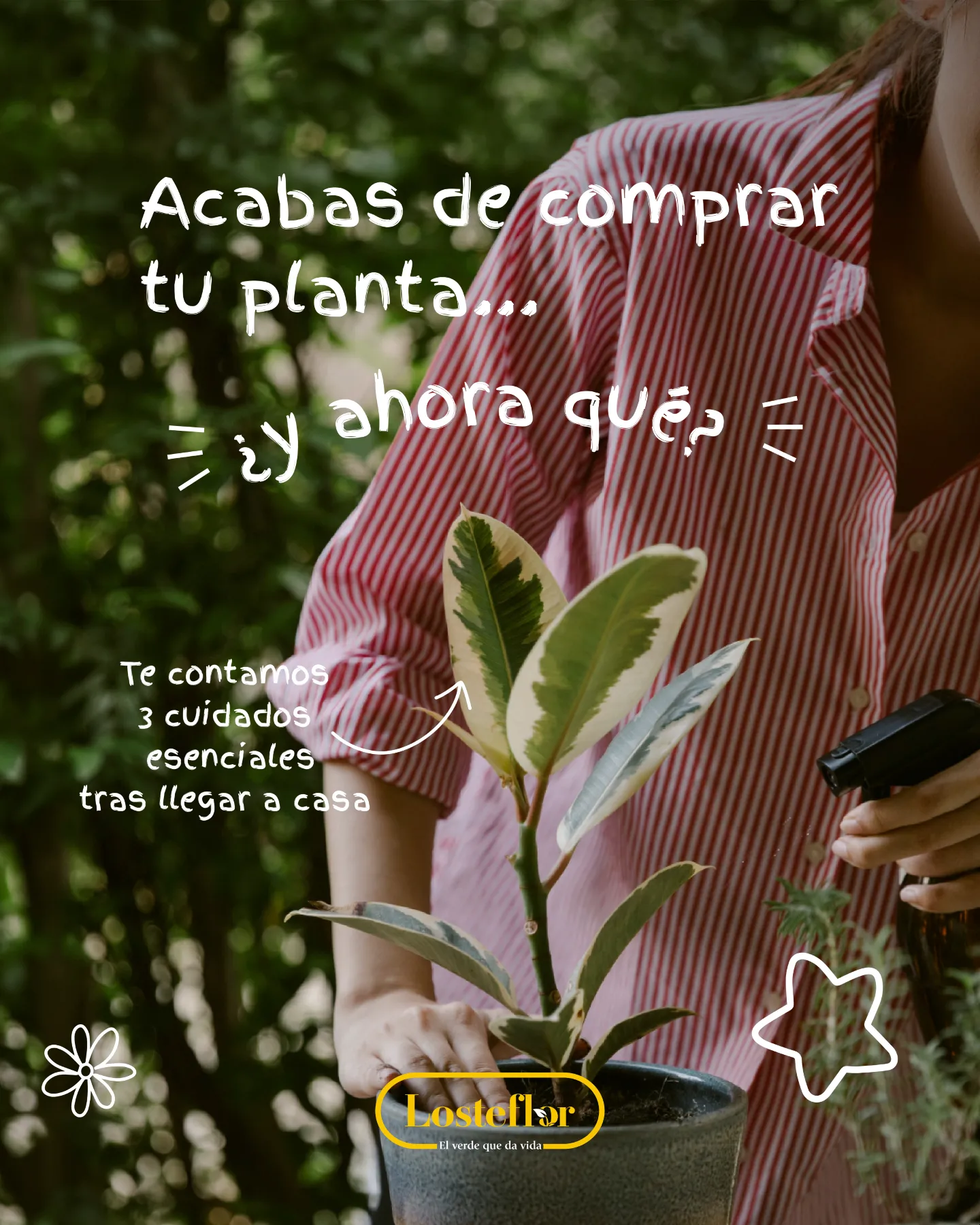
Coming home with a newly bought plant is one of the small pleasures every gardening lover enjoys. But the first few days in its new home are also the most delicate: the plant comes from a stable environment, with controlled light and watering, and suddenly everything changes at once. At Losteflor, our garden centre in Chiclana de la Frontera, we often see how small beginner mistakes complicate an adaptation that can actually be very simple.
In this article we walk you through the three essential care steps a newly bought plant needs when it arrives home: wait before repotting, find it a fixed spot, and check its leaves carefully. Three simple gestures that make the difference between a plant that takes off with vigour and one that stalls.
1. Don’t repot your newly bought plant straight away
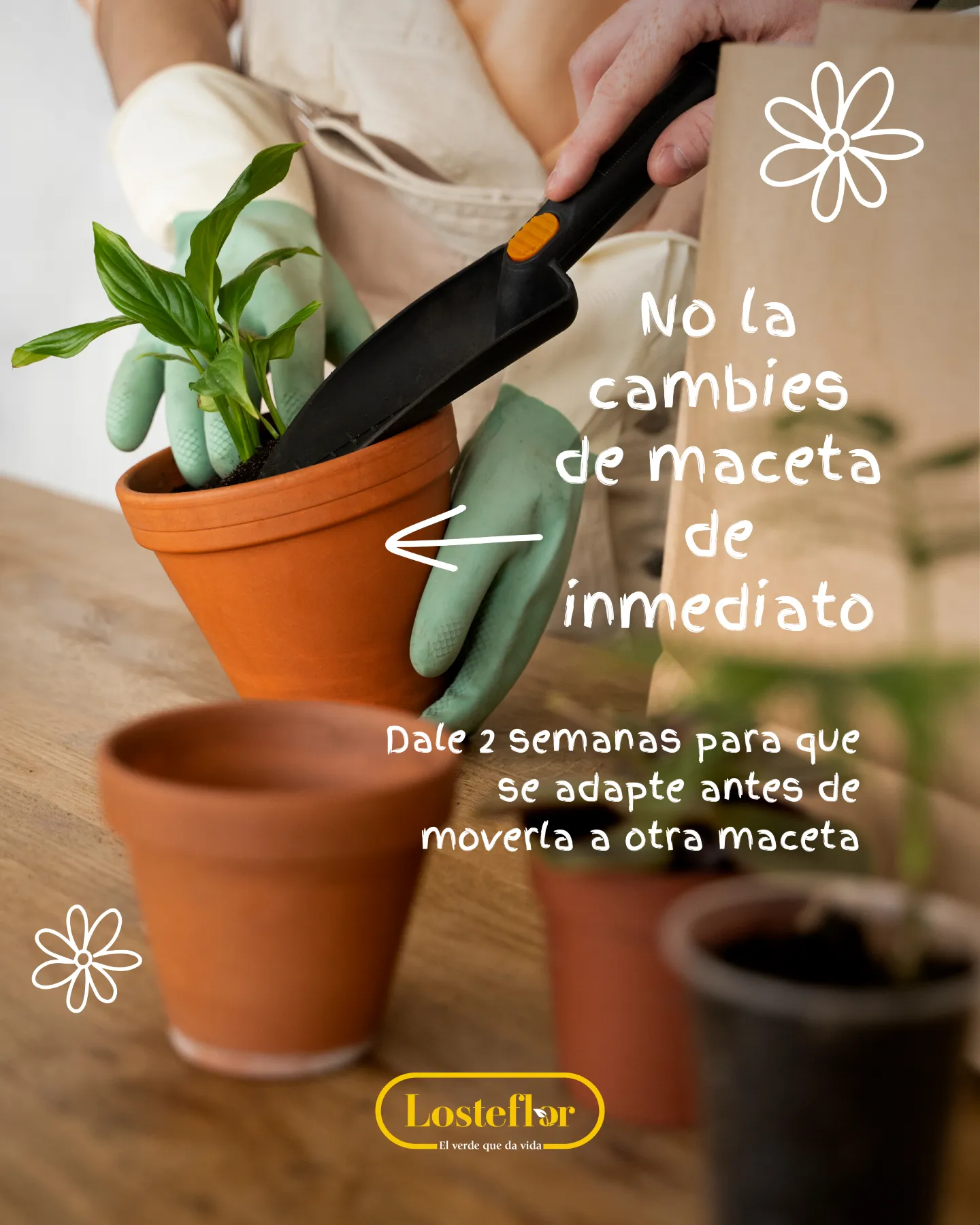
The temptation to show off a pretty new pot on the first day is huge, and yet it is the most common mistake. Repotting is a stressful process for any plant, and a newly bought plant is already juggling many changes at once: new light, new temperature, new ambient humidity. Adding the handling of its roots on top of that is asking too much of it.
Give it about two weeks to settle into its new surroundings before moving it to another pot. That margin lets it settle in and find its rhythm again. Once that time has passed, choose a container just slightly bigger than the current one, with good drainage, and use a quality substrate suited to its species. If you want to go over the full process, on the blog you’ll find more tips on repotting and general care.
2. Find a fixed spot: light matters more than you think
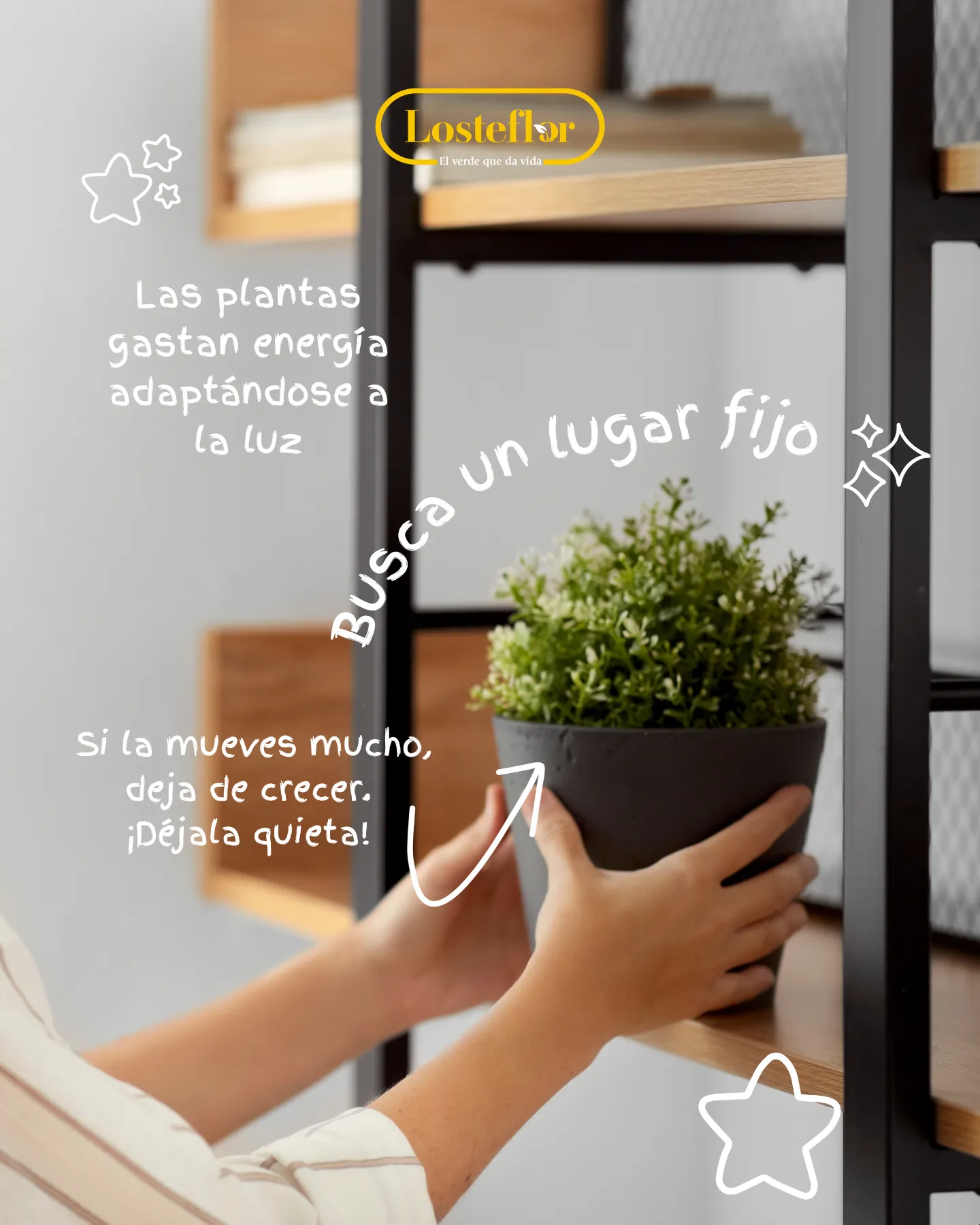
Plants spend energy adapting to the light of each corner. Every time you move your newly bought plant, you force it to reorient its leaves and start that process all over again. If you move it too much, it stops growing: all its energy goes into adapting instead of into developing leaves and roots.
That’s why the second essential care step is to choose its location well from the start and leave it still. Watch what light your species needs: most indoor plants appreciate plenty of light but indirect, away from the direct sun that can scorch the leaves through a window pane. Once you’ve found that corner, resist the temptation to redecorate every week.
3. Check your newly bought plant’s leaves for pests
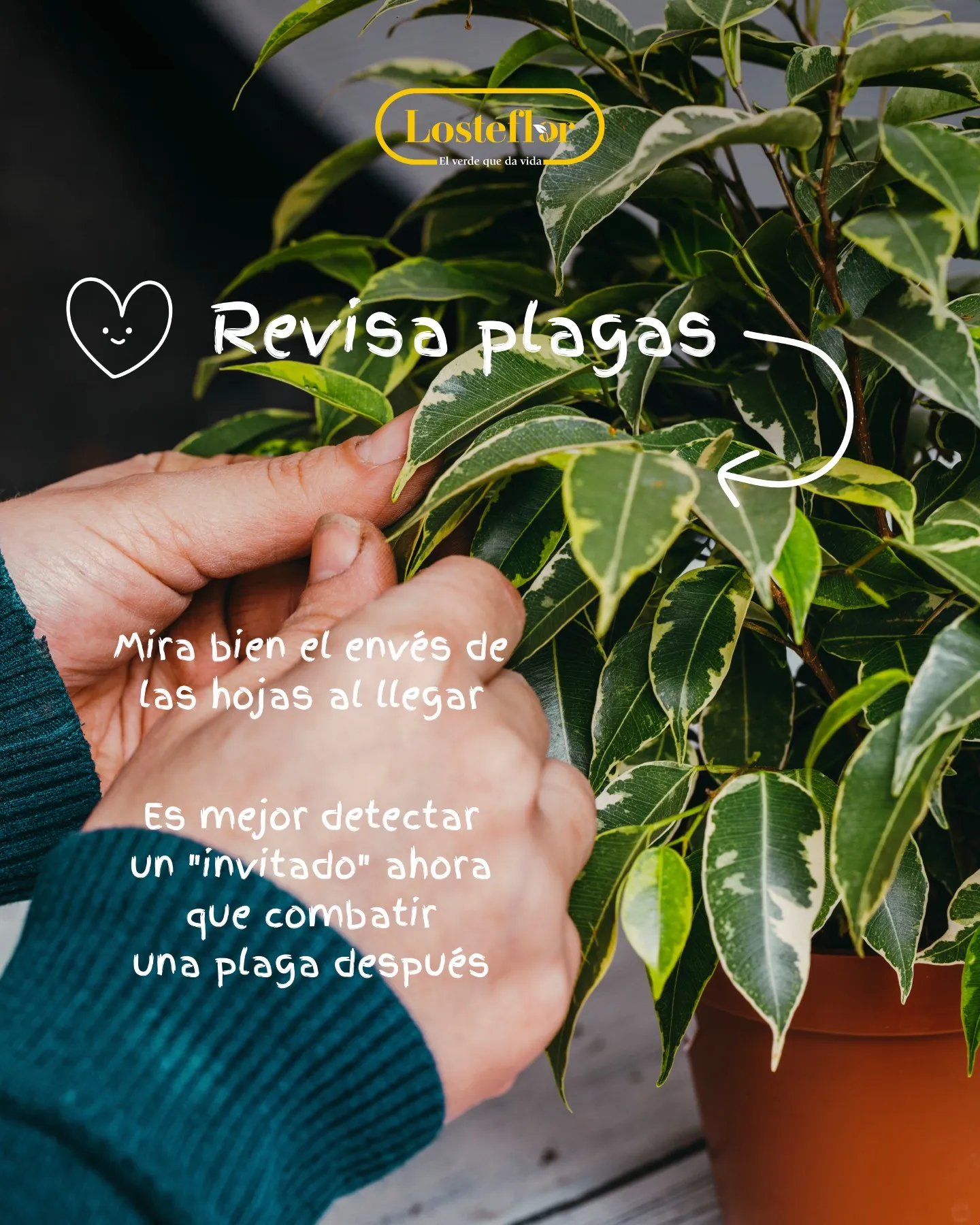
The third essential care step is a thorough inspection the moment it arrives. Look carefully at the underside of the leaves, the stems and the surface of the substrate: it’s better to spot an uninvited “guest” now than to fight a spread-out pest later, once it has already jumped to the rest of your collection.
Look for tiny dots that move, fine cobwebs, cottony specks or stickiness on the leaves: these are common signs of red spider mite, mealybug or whitefly. If you find anything suspicious, keep the plant apart from the rest for a few days and treat it before integrating it. This little welcome ritual turns every newly bought plant into a safe addition to your home.
Other care your newly bought plant will appreciate
Beyond the three essential steps, there are a couple of simple gestures that help during the adaptation. Water in moderation: before watering, check with your finger whether the substrate is dry in the first few centimetres, because too much water is as harmful as too little. And don’t fertilise straight away; wait until the plant has settled and shows signs of new growth before adding fertiliser.
With patience and observation, within a few weeks you’ll notice new leaves: the sign that your newly bought plant now feels at home.
Choose well from the start: visit us at the garden centre
The best adaptation begins with a good choice. At Losteflor we help you find the right species for your home and explain how to care for it before it goes out the door. You can see where we are at our location on Google Maps, in Chiclana de la Frontera, or write to us via the contact page if you have doubts about a newly bought plant that just won’t take off.
Frequently asked questions about your newly bought plant
How long should I wait before repotting a newly bought plant?
It’s advisable to give it about two weeks to adapt in its original pot before moving it to another one. That way you avoid adding the stress of repotting to that of the change of environment.
Why isn’t my new plant growing?
Often it’s a question of location: if you move it around frequently, the plant spends its energy adapting to the light over and over and stops growing. Choose a fixed spot with the right light and give it time.
How do I know if it brought pests from the shop?
Check the underside of the leaves, the stems and the substrate when you get home. Dots that move, fine cobwebs or cottony specks are warning signs. When in doubt, keep it apart from the rest of your plants for a few days.